

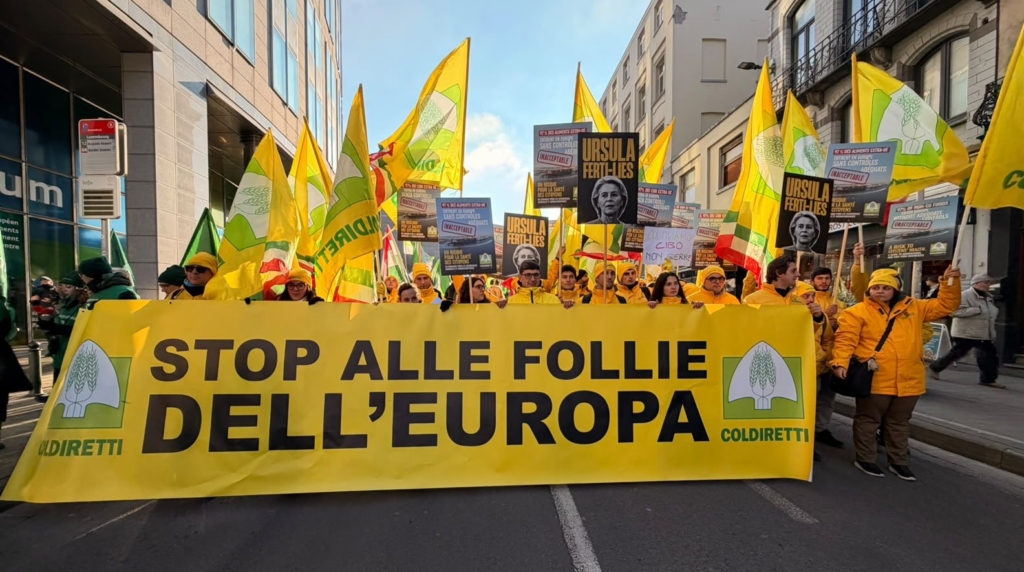
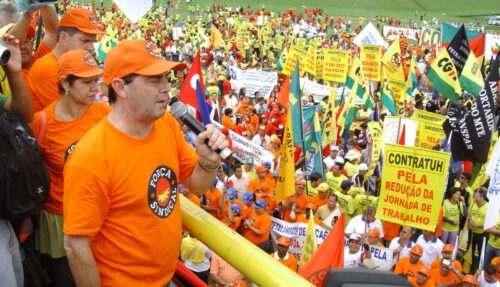
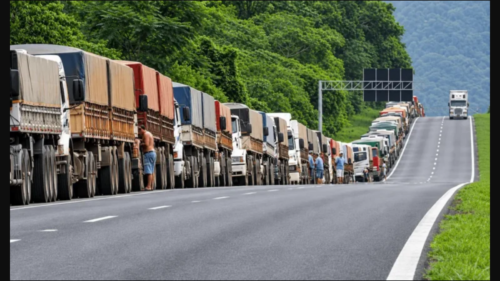


Agricultores de 23 países protestaram em Bruxelas em 26 de novembro contra o orçamento que a União Europeia prepara para o período de 2028 a 2034. Tratores chegaram às proximidades do Parlamento Europeu enquanto os governantes discutiam os recursos destinados à produção agrícola e às forças armadas.
Con centinaia di giovani agricoltori siamo in piazza a Bruxelles, insieme agli agricoltori provenienti da tutta Europa, per difendere la #Pac e chiedere un’Europa che investa sulla pace e sulla sicurezza alimentare e non sulla guerra. Non ci fidiamo di @vonderleyen https://t.co/1iS3lQOpCe
— Coldiretti (@coldiretti) November 26, 2026
A Copa-Cogeca, entidade que reúne organizações agrícolas e cooperativas, calcula uma redução de aproximadamente 15% nas verbas da Política Agrícola Comum, sem contar a inflação. A Comissão Europeia contesta essa apresentação dos valores e afirma que reservará ao menos 300 bilhões de euros para apoio à renda dos produtores e atendimento de crises.
🚨 Today we march in Brussels
🚜 700 Europeans farmers and agri-cooperative from 23 countries are in position at 📍 Place du Luxembourg to march across the European quarter, passing the very institutions deciding the future of our budget and sounding the alarm as EU Heads of State and Government discuss the 2028–2034 EU budget.
2️⃣ years of mobilisation. 1️⃣ united voice. The farming sector is at a breaking point and this week we say it in the streets of Brussels as well as under the street, in the metro.This morning, the farmers and cooperatives leaders have met in Copa and Cogeca in Brussels with one item on everyone’s mind: the future of our agriculture, the future of our Europe.
A continent that depends on others for its daily bread does not control its own destiny.
Food security is security. And it rests on one policy: the Common Agricultural Policy.Yet today, the CAP faces a massive budget cut and a dismantling of its common character. At exactly the moment Europe needs to stand on its own feet.
Agriculture is a pillar of Europe’s defence. The CAP grows our defence.
#CAPgrowsOurDefence #NoCAPCut
— COPA-COGECA (@COPACOGECA) November 26, 2026
Os agricultores foram às ruas porque, ao mesmo tempo que precisam disputar recursos, os governos preparam uma forte expansão das despesas militares. Segundo a RT, a proposta debatida mais que triplicaria essas verbas em termos reais. Um grupo italiano levou um cartaz que resumia sua oposição: produz alimentos, não guerras.
🚨 WE ARE SOUNDING THE ALARM
Cut the CAP, and you cut Europe’s first line of defence.
After more than 60 years, many Europeans take the benefits of the Common Agricultural Policy for granted.
Fewer and fewer people today remember first-hand what Europe was like before the CAP.
This policy is so deeply woven into our landscapes and into the story of how food reaches our plates that it is easy to overlook what it does for all of us.Food security is security. The CAP protects us all. That is why we should all defend it !
The choices made in Brussels in the coming weeks will determine whether the next generation can make a living from farming, whether we will have young farmers in our field and farms and cooperatives in European rural areas.
#CAPgrowsOurDefence #NoCAPCut
— COPA-COGECA (@COPACOGECA) November 26, 2026
Há grandes proprietários e pequenos produtores no campo europeu, com interesses diferentes na distribuição das verbas. O protesto, contudo, atingiu uma decisão comum aos governos do bloco: reservar mais dinheiro ao rearmamento enquanto quem trabalha na agricultura enfrenta cortes anunciados em seu setor.
Con centinaia di giovani agricoltori siamo in piazza a Bruxelles, insieme agli agricoltori provenienti da tutta Europa, per difendere la #Pac e chiedere un’Europa che investa sulla pace e sulla sicurezza alimentare e non sulla guerra. Non ci fidiamo di @vonderleyen https://t.co/1iS3lQOpCe
— Coldiretti (@coldiretti) November 26, 2026
Os tratores percorreram o bairro das instituições europeias para levar essa cobrança aos dirigentes que decidirão o orçamento. A disputa pelas verbas agrícolas tornou visível a oposição à prioridade dada à guerra.